Iceland’s Clearest Aurora Skies Are in the Southeast, Not the North
Iceland is on my list. Not ticked yet. So this is the planning version — where I’d base myself when I go, using numbers instead of the prettiest photo on my feed.
The numbers come from a new Guide to Iceland study. They pulled every monthly cloud-cover record the Icelandic Met Office publishes: 50,087 monthly readings from 144 weather stations, going back to 1937. They kept the aurora season, September to April, and the 92 stations with enough data. Then they adjusted for stations that only recorded in certain decades. Cloud is measured in oktas — eighths of the sky. Zero is clear. Eight is a lid.
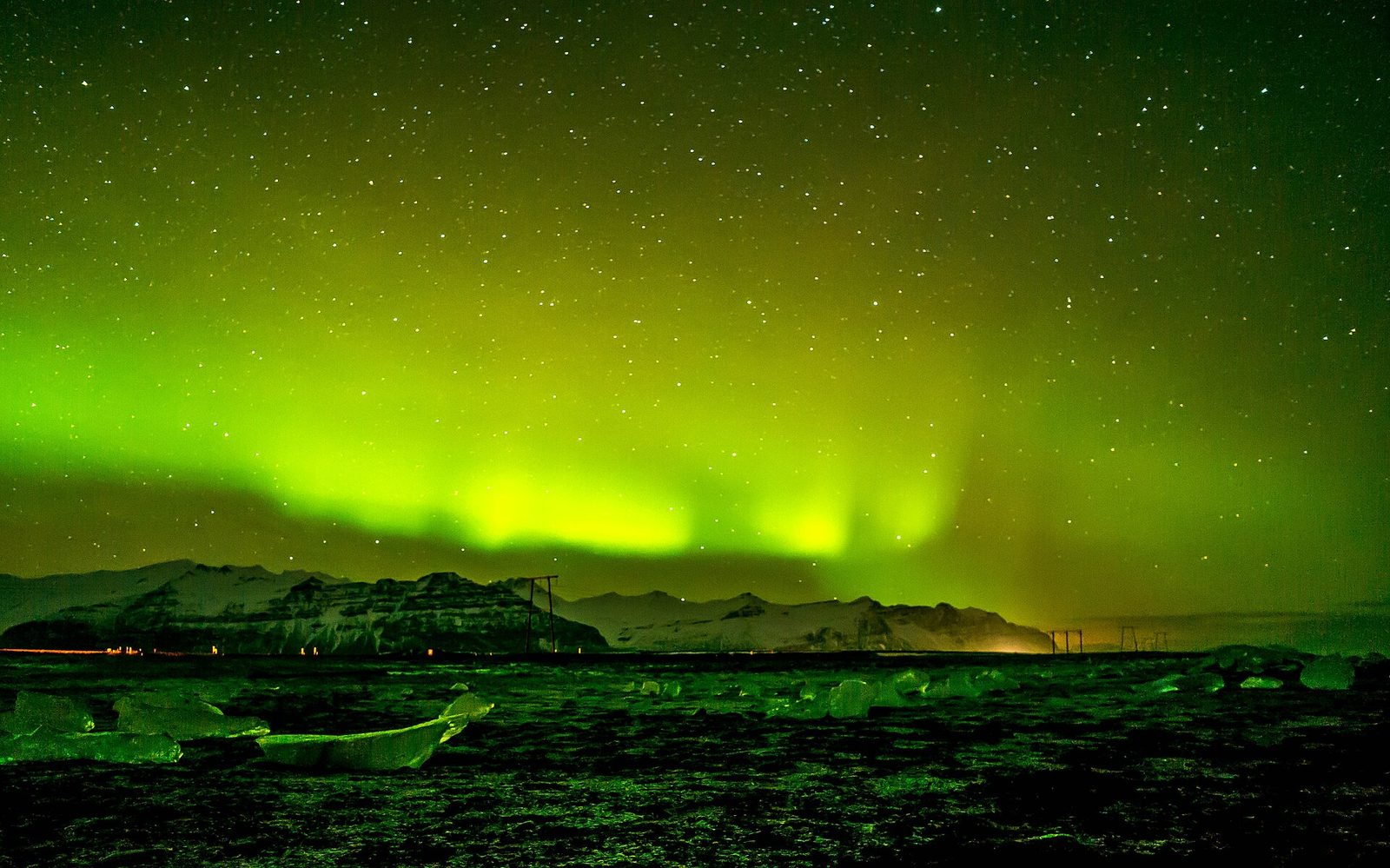
The southeast wins. Djúpivogur at 5.42 oktas and Kirkjubæjarklaustur at 5.49 are basically tied for first. Seyðisfjörður, the Jökulsárlón and Höfn area, and Lake Mývatn are right behind. The Westfjords come last at 6.64. Akureyri, the town most advice points you to, is 17th of 22 at 6.16.
That one surprised me. Most of what I’ve read says go north.
It isn’t just a tour company talking, either. The Met Office’s own 1961–1990 station averages show the same order. Teigarhorn, right by Djúpivogur, is clearest. Akureyri and Keflavík are noticeably cloudier.
Don’t read it as a promise. Even the clearest spot averages about two-thirds cloud, and the study itself says monthly averages can’t count clear nights. It shows where the odds are better. That’s all.
How I’d plan it:
- Base in the southeast. Anywhere on Route 1 between Kirkjubæjarklaustur and Djúpivogur. That’s about 283 km of road, so if one end is socked in, the other end gives you somewhere to drive. Kirkjubæjarklaustur is roughly two and a half hours from Reykjavík. Höfn is the biggest town on that stretch.
- Up north, pick Mývatn over Akureyri. It sits level with the Höfn area on cloud, and it’s clearest in February.
- Reykjavík isn’t bad for cloud. It ranks 7th. The problem there is city light, not the sky.
- Skip the Westfjords and Snæfellsnes if a clear sky is the whole point of the trip.
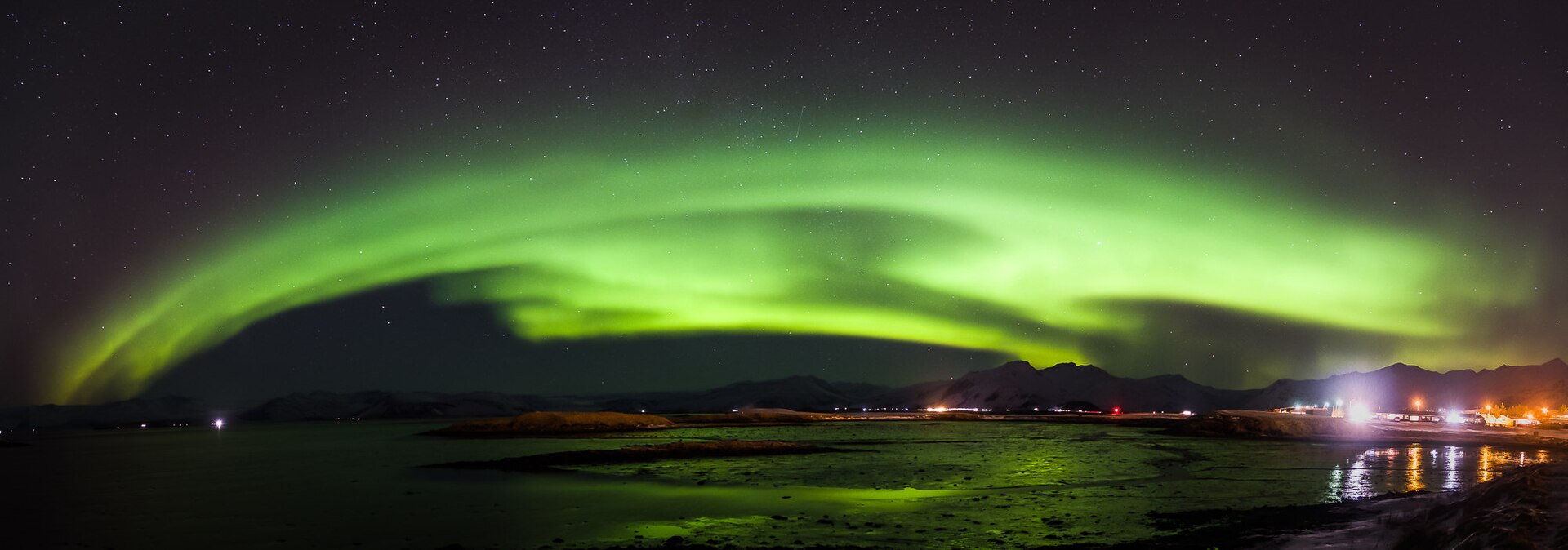
On timing: September and October are the cloudiest months, and November is the clearest. But the month matters far less than the place — about 2 percentage points of sky across months versus about 15 across regions. Guide to Iceland’s companion study likes March for strong activity, clearer skies and enough darkness. That’s where I’d aim.
For forecasts, the Met Office aurora page at vedur.is is the one I’d keep open. It shows a cloud map (green is cloud, white is clear) split into low, mid and high layers, several days out, plus a 0–9 activity number for midnight. It’s the same habit as checking Space Weather Canada before a Yellowknife or Whitehorse night. Activity is half the answer. The sky is the other half.
In my Tromsø piece the move was heading inland, away from coastal cloud. Iceland flips that. The clearest stretch is a coastline.
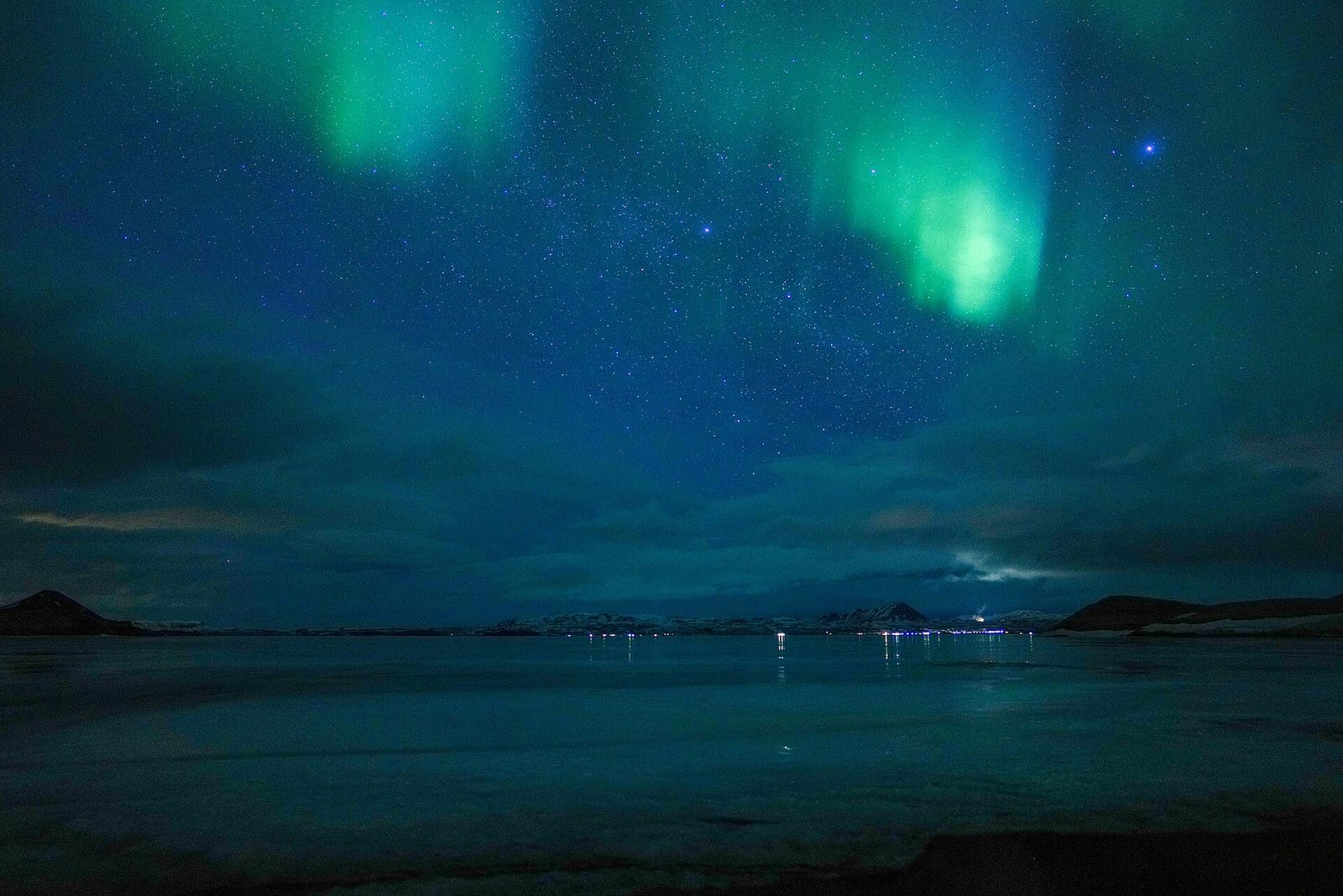
Stay tuned… when Iceland moves off the list, I’m booking the southeast first and keeping a car key handy.